Physical Address
304 North Cardinal St.
Dorchester Center, MA 02124
Physical Address
304 North Cardinal St.
Dorchester Center, MA 02124


Medicines known as glucagon-like peptide-1 receptor agonists are completely changing the landscape of modern health care. Treatments like Ozempic and Wegovy offer incredible benefits for managing type 2 diabetes. They also provide a highly effective path to long-term weight loss and improved metabolic stability. Patients across the country are seeing truly transformative and positive results from these therapies.
However, many individuals experience a few bumps in the road when they first start their prescriptions. You might notice occasional stomach upset, a feeling of extreme fullness, or unexpected changes in your daily bathroom habits. These physical symptoms are actually a normal part of the process. They usually appear when your doctor first increases your dosage.
While the retail price of these prescriptions is a frequent topic of discussion, managing your daily comfort does not have to be expensive. Adjusting your daily diet is the easiest and most effective way to calm your stomach. Making smart food choices helps your body adapt to the medication much faster. In this guide, we will break down the top five affordable grocery store foods to keep you on track.
To understand how to fix the problem, it helps to know why it happens in the first place. These GLP-1 medications work by mimicking a natural hormone found in your body. This specific hormone tells your brain that you are full. It also actively slows down the speed at which your stomach empties its contents into your intestines.
This delayed gastric emptying is exactly why these treatments are so successful. You feel satisfied sooner, and that feeling of fullness lasts much longer. Consequently, this exact same mechanism is what occasionally causes early satiety and bloating. When food sits in your stomach longer than usual, your digestive system can feel a bit overwhelmed.
Eating heavy, high-fat, or heavily processed meals makes this natural delay much worse. Large portions sit heavy in your digestive tract and increase the likelihood of gastrointestinal side effects. Medical professionals consistently recommend eating smaller and more frequent meals. Choosing simple and easily digestible ingredients is the best way to support your body right now.
Ginger has been a trusted remedy for stomach upset for thousands of years. Modern science backs this up, showing that ginger effectively blocks distress signals in your gut. For individuals dealing with nausea, a small amount of fresh ginger works wonders. It calms the stomach muscles without adding any heavy bulk to your digestion.
You do not need to consume large amounts to see a real benefit. Sipping on warm ginger tea throughout the morning is incredibly soothing. You can also try grating fresh ginger root directly into a clear soup or a mug of hot water. Its mild flavor is usually very well tolerated, even when your appetite is running noticeably low.
Please note that you should stick to real food forms of ginger. Concentrated ginger supplements or pills can sometimes cause heartburn. Stick to fresh root, natural teas, or ginger-infused broths for the absolute safest results. The cost of fresh ginger is very low, making it a budget-friendly remedy.
Bananas are a fantastic dietary staple when you are dealing with digestive sluggishness. They offer a great source of healthy carbohydrates with practically zero fat. Their soft texture makes them incredibly easy for a sensitive stomach to break down quickly. Furthermore, they are naturally low in rough fiber, which is helpful when your digestion is already moving slowly.
If you happen to experience sudden diarrhea or vomiting, bananas offer another major health benefit. They are packed with potassium, an essential electrolyte that your body loses during times of stomach illness. Eating just half a banana can quickly help restore these vital nutrients. This makes them a practical and quick-acting option during sudden symptom flare-ups.
They also serve as a perfect replacement for heavily processed snack foods. When you feel full quickly, a few bites of a ripe banana provide steady energy without causing bloating. They require absolutely no preparation, which is ideal when you feel tired or sluggish.
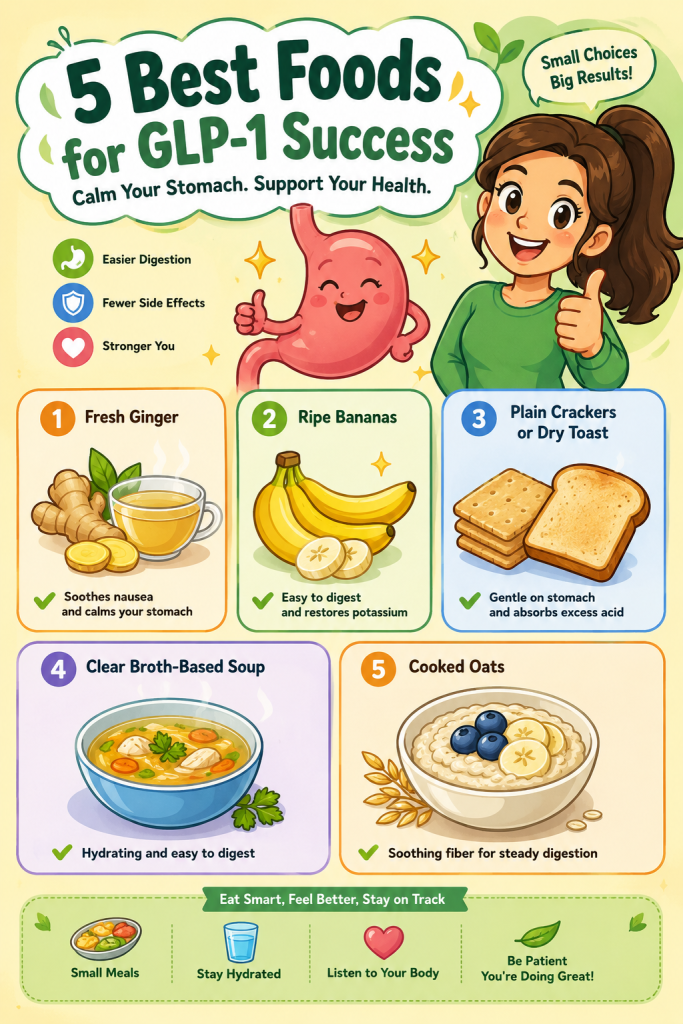
Sometimes the simplest foods are the most effective options available. Bland carbohydrates like plain crackers or dry toast are standard recommendations in clinical settings for very good reason. These dry foods act like a sponge inside your stomach. They absorb excess gastric acid and settle uncomfortable rumbling quickly and efficiently.
Because they are extremely low in fat, crackers pass through your stomach with very little effort. They provide necessary calories without forcing your digestive system to work overtime. Many patients find that keeping a few crackers on their nightstand helps manage morning sickness. Eating one or two before getting out of bed can make a big difference in your day.
If you are dealing with sluggish bowels rather than nausea, you might want to choose whole-grain toast instead. The extra fiber in whole grains helps keep your bathroom habits regular. Always tailor your carbohydrate choices to whichever symptom is currently bothering you the most.
Maintaining proper hydration is absolutely critical when taking these modern medications. Broth-based soups hit two targets at once by delivering fluids and easy-to-digest nutrients. A warm liquid physically relaxes the smooth muscles lining your stomach. This mild relaxation can quickly ease feelings of cramping or uncomfortable fullness.
Clear chicken, beef, or vegetable broths are naturally low in fat content. This makes them vastly superior to heavy, cream-based soups that often trigger unwanted acid reflux. When you have zero appetite, sipping warm broth ensures you still get necessary sodium and fluids. It is a gentle way to wake up your digestive system before trying solid foods.
If you have high blood pressure, just be sure to choose low-sodium broth options at the grocery store. You can gradually add well-cooked carrots or small noodles as your stomach finally settles. Building up your food tolerance slowly is the smartest approach to eating on these medications.
While nausea is very common, many users actually struggle much more with constipation. Low-fat yogurt and plain oatmeal are excellent dietary tools for getting your digestion moving regularly again. Oatmeal is rich in soluble fiber, which gently softens your stool over time. It adds comfortable bulk without causing the painful gas associated with other high-fiber foods.
Low-fat yogurt brings an entirely different benefit to the kitchen table. Brands that contain active, live cultures provide beneficial probiotics that actively balance your gut bacteria. A healthy microbiome naturally improves how efficiently your gastrointestinal tract processes daily meals. Choosing a low-fat version is important, as high-fat dairy can unexpectedly trigger sudden nausea.
Make sure you drink plenty of water when you add oatmeal to your routine. Fiber needs water to do its job properly in your intestines. Increasing your fiber intake slowly over a few weeks will always yield the best, most comfortable results.
What you eat matters, but how you eat is just as important for your comfort. Portion control is the single most effective behavioral change you can make today. Eating small meals every three to four hours prevents your stomach from stretching out. This simple daily habit drastically reduces feelings of nausea and uncomfortable daytime bloating.
You should also pay close attention to your body posture after eating a meal. Lying down immediately after lunch or dinner encourages acid to travel back up your throat. Staying upright for at least an hour helps gravity move food smoothly through your system. Taking a short, gentle walk after dinner can also stimulate healthy, regular digestion.
Finally, prioritize your daily water intake. Try carrying a reusable water bottle and taking small sips throughout the entire day. Gulping a large glass of water all at once might make you feel uncomfortably full. Small, consistent hydration prevents bowel issues and keeps your kidneys functioning optimally.
Starting a new therapy is an exciting step toward better metabolic health and improved vitality. While stomach side effects can certainly be frustrating, they are usually temporary and highly manageable. By incorporating ginger, bananas, plain crackers, clear broth, and oatmeal into your diet, you can find reliable relief. The cost of adding these simple foods to your grocery list is very low, yet the payoff for your daily comfort is massive.
Listen closely to your body and adjust your meals as your symptoms naturally change. Speak with your healthcare provider if your symptoms persist or prevent you from eating adequately. With a little patience and the right nutritional strategies, you can comfortably achieve your long-term health goals.
For most people, nausea and mild stomach upset peak during the first few days after a dose increase. These symptoms typically fade significantly after a few weeks as your body completely adjusts to the medication.
Never stop your prescribed medication without speaking to your doctor first. Most mild nausea can be easily managed with the diet changes listed above. If you are vomiting frequently or cannot keep fluids down, contact your healthcare provider immediately.
Spicy foods can severely irritate your stomach lining and trigger painful acid reflux. Because these medications slow your digestion, spicy foods sit in your stomach much longer and may cause significant discomfort. It is best to stick to mild, unseasoned foods until your digestion fully stabilizes.
Yes, a significantly reduced appetite is a primary intended effect of these treatments. However, your body still requires daily nutrients and healthy calories to function properly. Focus on eating small, nutrient-dense bites like a spoonful of peanut butter or a few slices of banana.
Fat naturally takes the longest amount of time for your human body to digest. When you combine high-fat meals with a medication that already slows gastric emptying, the food essentially stalls in your stomach. This backup directly triggers the nausea center in your brain.
Bendotti, D., Pantaleoni, S., & Amerio, M. L. (2025). Dietary recommendations for the management of gastrointestinal symptoms in patients treated with GLP-1 receptor agonist. Diabetes, Metabolic Syndrome and Obesity. https://doi.org/10.2147/DMSO.S494919
Wharton, S., Davies, M., Dicker, D., Lingvay, I., Mosenzon, O., Rubino, D. M., & Pedersen, S. D. (2022). Managing the gastrointestinal side effects of GLP-1 receptor agonists in obesity: Recommendations for clinical practice. Postgraduate Medicine, 134(1), 14-19. https://doi.org/10.1080/00325481.2021.2002616
Gorgojo-Martinez, J. J., Mezquita-Raya, P., Carretero-Gomez, J., et al. (2023). Clinical recommendations to manage gastrointestinal adverse events in patients treated with GLP-1 receptor agonists: A multidisciplinary expert consensus. Journal of Clinical Medicine, 12(1), 145. https://doi.org/10.3390/jcm12010145


